



Chris Nelson tells Perth business leaders that operational AI starts by identifying what's not worth doing at all
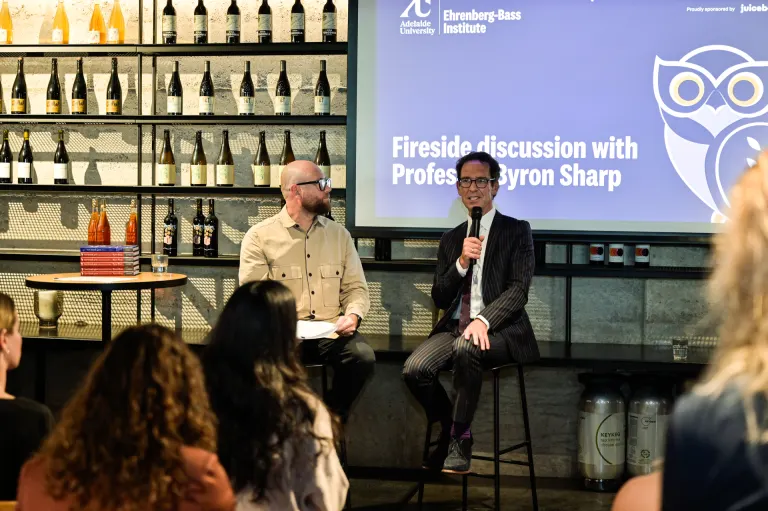
PERTH, WA — Speaking at this week's Perth Media Client CEO Tech Morning Tea at Lawson Flats, Juicebox Founder and Managing Director Chris Nelson told Perth business leaders that most conversations about AI are happening at the wrong level, and that the businesses hesitating aren't wrong to be cautious.
"Most AI adoption right now is individual," Nelson said. "It's someone in a team using a tool to get through their own work faster. That's useful, but it's not transformation. Operational AI is different. It means looking at how the whole business delivers its product or service, and asking what should actually change."
Nelson's session centred on a simple distinction: individual AI is about personal efficiency, driven by employees making their own day easier. Operational AI is about organisational processes, workflows and infrastructure, and it requires a different kind of thinking altogether.
For most business leaders, Nelson said, the barrier isn't scepticism. It's not knowing where to begin, and legitimate concern about what happens to their data along the way.
"The two questions I get asked most are 'where do we even start' and 'is our data safe if we do this'," Nelson said. "Both are fair. Most businesses have never mapped their own workflows properly, let alone worked out which systems talk to each other and which don't. And handing sensitive business or customer data to a new process without understanding where it goes is a real risk, not a hypothetical one."
That uncertainty, Nelson said, is exactly why operational AI needs to start small and deliberately, rather than as a sweeping rollout.
At the heart of that approach is a method most businesses skip: working out what shouldn't be done in the first place.
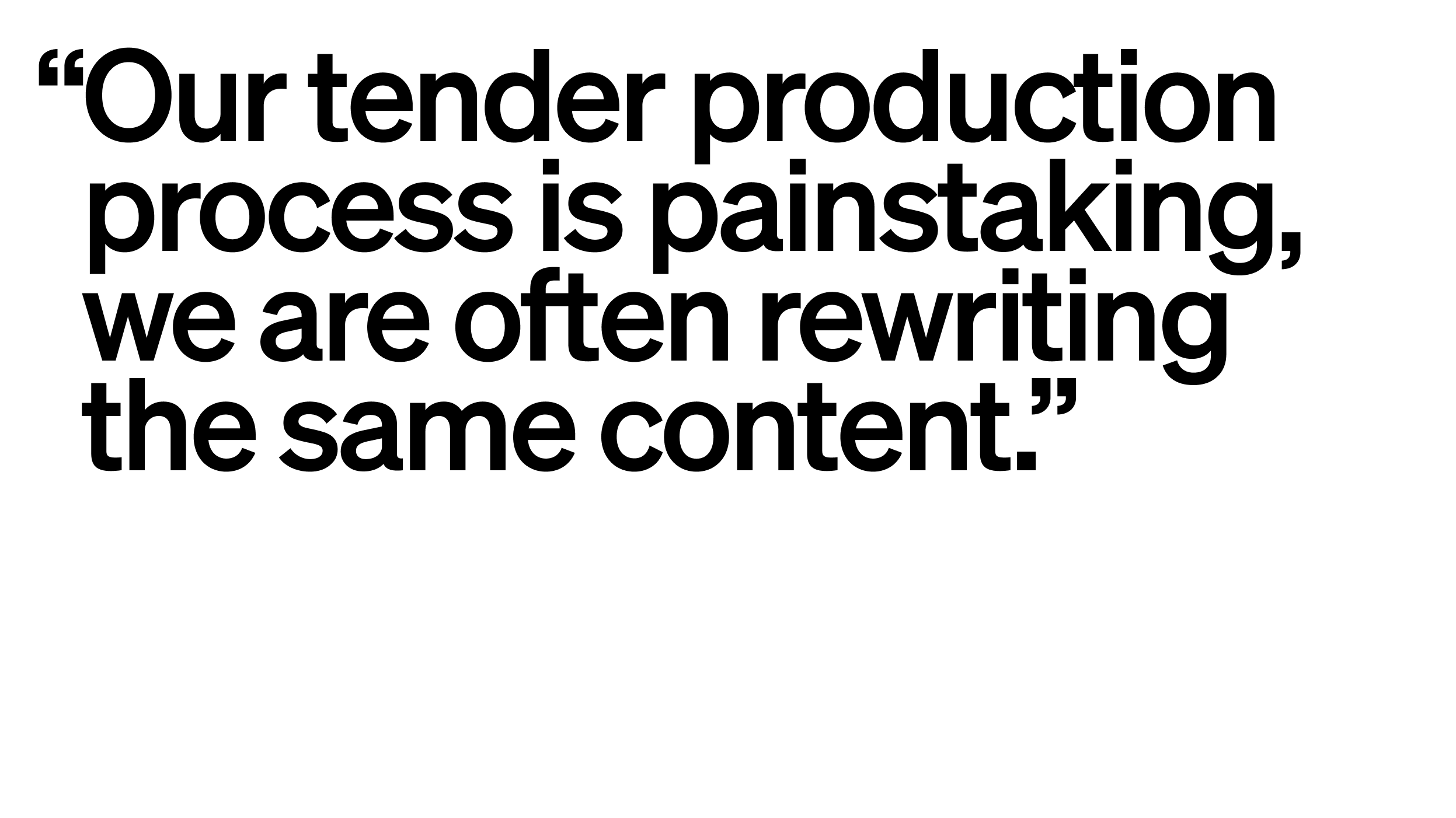
"Every role has great work, good work, and bad work," Nelson said. "Great work is the highest and best use of someone's time, the work that actually moves the business forward. Good work is useful and familiar, but it's not what drives change. Bad work is a distraction at best, and a waste of time and energy at worst. Most businesses never separate the three. They just try to do all of it, faster."
Nelson argued that the real value of operational AI isn't in accelerating everything a business already does. It's in identifying the bad work, the repetitive, low-value tasks that shouldn't require a person at all, and removing it entirely, with the right safeguards around data and privacy built in from the start, not bolted on afterwards.
"Start with one workflow," Nelson said. "Measure the outcome you're after. Monitor whether it's meeting the standard. Optimise until it does. Then redeploy that time into designing a better business. Done properly, that also means knowing exactly what data that workflow touches, who has access to it, and where it's stored. If you can't answer those questions, you're not ready to scale it, no matter how well the pilot went."
Nelson was clear that this approach only works when it puts people, not just technology, at the centre of the decision.
"This isn't about removing people from the business," Nelson said. "It's about removing the parts of their job that were never a good use of their time to begin with, and giving them back the space to do their best work. Any operational AI strategy that doesn't start with the people doing the work, and doesn't take data security seriously from day one, is going to fail regardless of how good the technology is."
Nelson appeared alongside Perth Media Managing Director Cate Rocchi, who spoke on AI visibility, and Delphi Advisory's Jack Newbould, who addressed generative AI optimisation.
Juicebox established its dedicated AI unit in 2024 and has since worked with a range of Australian and South East Asian businesses on organisational AI strategy and implementation, guiding leaders through exactly these questions of where to start and how to do it safely.
Thanks to Perth Media for the invitation, and to Cate Rocchi for the invite and to Jack Newbould for sharing the stage.
To explore what this means for your business, get in touch hello@juicebox.com.au