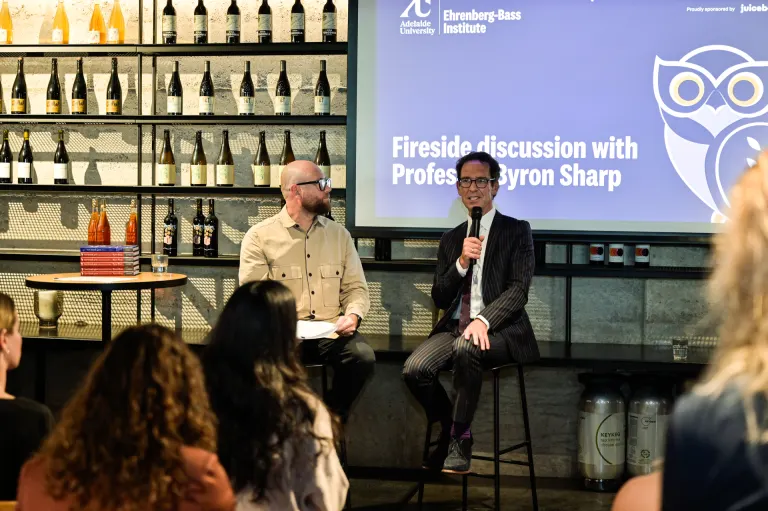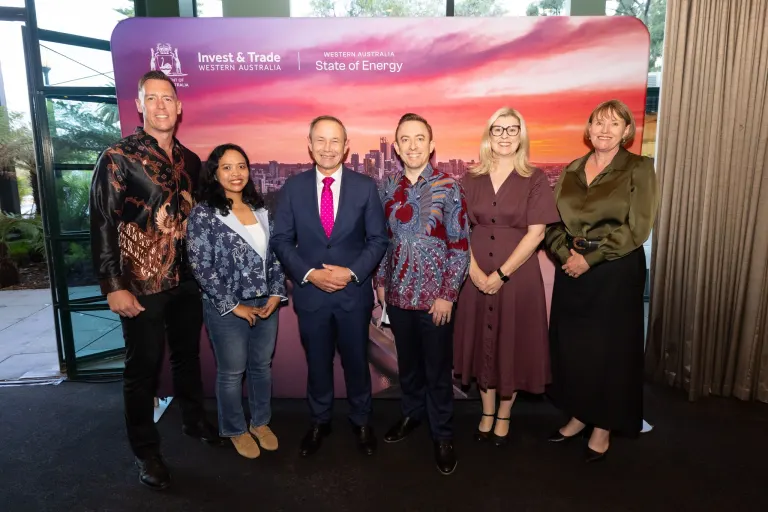


The Design Conference returned to Brisbane Powerhouse in New Farm this year and sold out for the first time.
More than 650 people were in the room, and members of our team joined online. Seventeen speakers across three days, drawn from Australia, Italy, Costa Rica, South Africa, the UK, the USA, Brazil, Spain, and New Zealand.
What struck us most wasn't any single talk. It was the shape of the whole thing. For a conference held in 2026, at the height of the most significant technological shift in our industry's history, the conversation focused on the nuance behind the very human design process.
Here are the ideas that stayed with us.
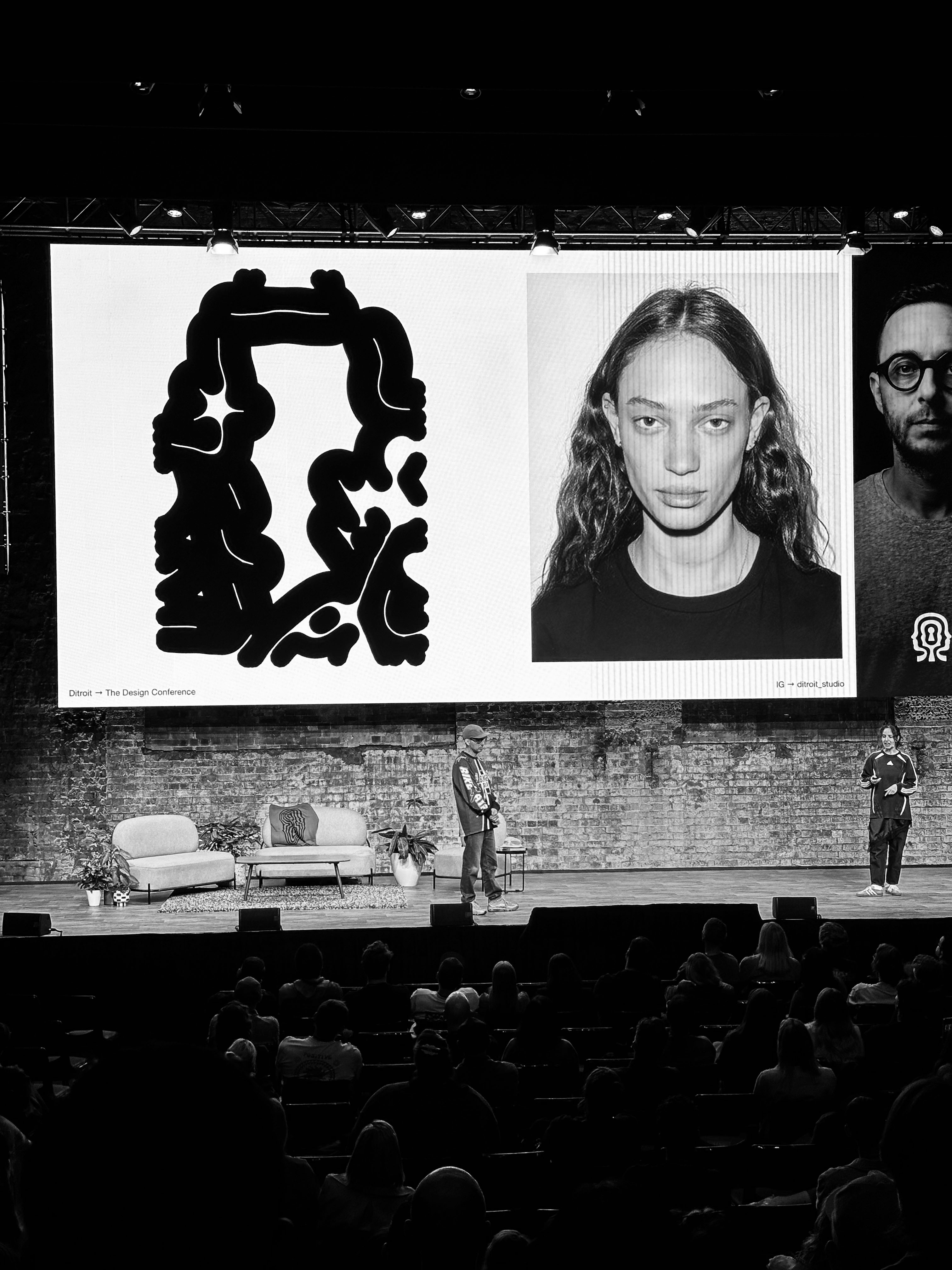 Ditroit Studio
Design careers are a continuous recovery from catastrophe.
Brian Collins captured something fundamental about the reality of design. Creative careers, he argued, are not clean upward trajectories. They are a series of initial excitements followed by unforeseen obstacles and the hard work of finding a way through. That framing was a relief to hear stated plainly. It's true of almost every project worth doing.
As a thread throughout the conference, the notion of intention was again bought to our attention. Collins spoke to the balance between intentionality and unintentionality. Intentionality being the structure: KPIs, logic, budgets, the things that get a project finished. Unintentionality is the music: the emotion, delight, a happy mistake, the element that makes a piece of work feel alive rather than executed. Both are necessary. The tension between them is where the interesting work lives.
His case study for introducing a new idea to an audience was the American space program. Kennedy didn't describe the moon in technical terms. He framed it as a frontier, a word already deep in the American imagination through comic books, radio, and film. He made the unfamiliar feel inevitable. Design does the same thing. The act of designing something is the act of rehearsing the future. Designers are responsible for making it feel admissible.
Friction is not the enemy.
Peter Barber from Delphos Labs made an argument that cut against almost everything the digital industry has agreed on for the past decade: that the intentional use of friction in interfaces can create a better connection with the audience, humans.
The example that landed was the self-service checkout. Optimised for efficiency. Seamless by design. And frequently one of the most stressful interactions in a person's day. The removal of every point of human contact didn't make the experience better. It made it faster. Those are not the same thing.
Barber also spoke to the jobs-to-be-done framework through the example of McDonald's, whose sales increased sevenfold after they understood that customers weren't buying milkshakes because they were hungry. They were buying it to make a commute more bearable. Understanding what a product is actually being hired to do changes everything about how you design it.
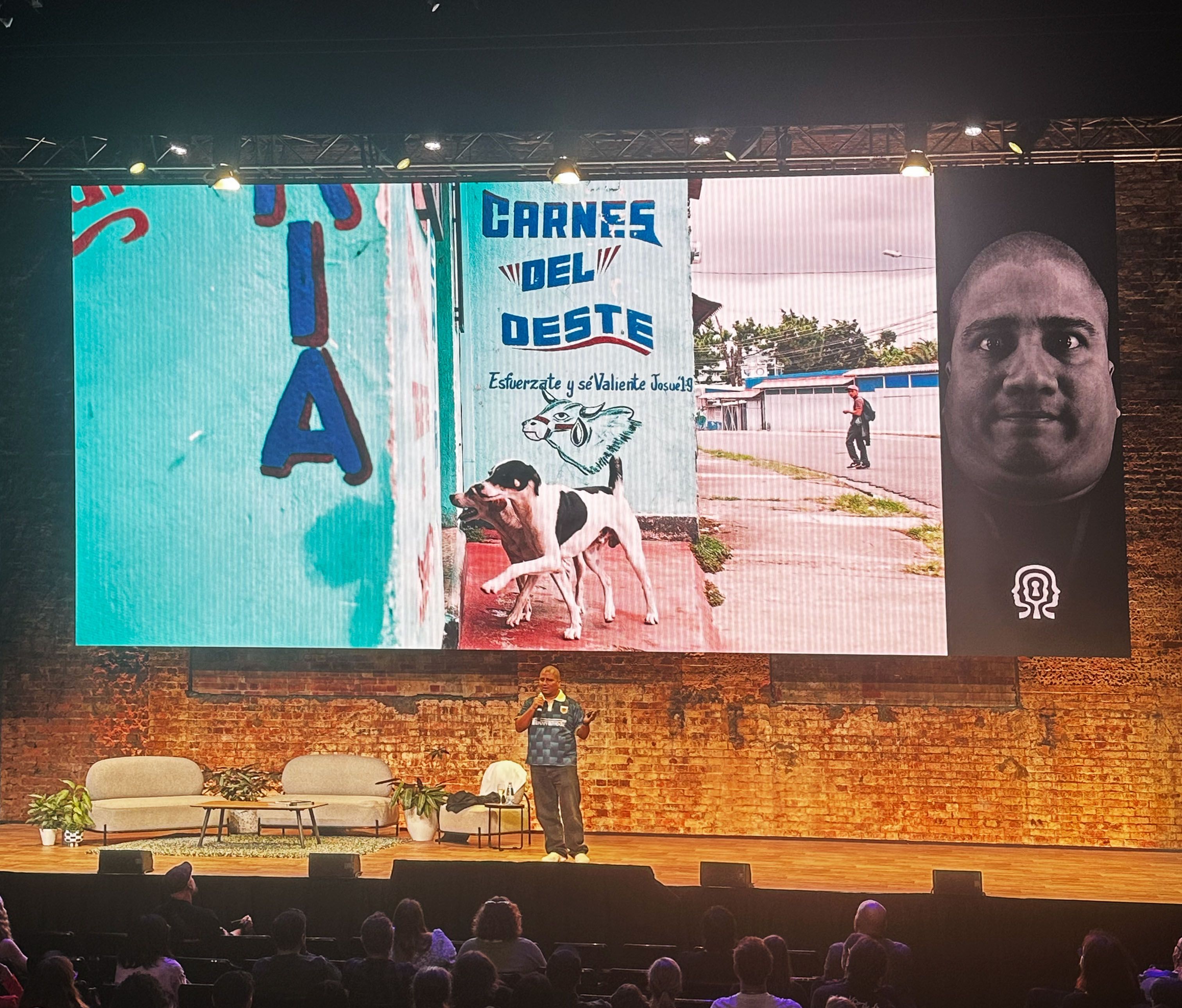 Alfredo Enciso - Pupila
Digital carbon is a real number.
Ben Rennie presented data that we hadn't seen framed this starkly before. Digital carbon emissions currently account for 4.77% of global emissions, surpassing the aviation industry. Every website we build has a carbon footprint. The heaviest ones carry the most.
For agencies, there is a genuine opportunity here: to build leaner, more efficient digital products as a matter of practice, not just principle. We're thinking about what that means for our standards.
AI was notably absent.
A key observation from the conference is worth stating plainly: for a room of designers in 2026, the conversation was almost entirely about craft, process, empathy, and the messy, human aspects of creative work.
The design community is not ignoring AI. It's protecting something. The unintentional elements Collins described, the friction Barber advocated for, the community connection Motion Sickness builds their work around: these are the things that require a human in the room. The conference seemed to know that, and chose to spend three days on them.
The Design Conference was attended by Juicebox Designers Vaughn Hockey and Mike Boag in July 2026. All opinions and photography are their own.